Pay in installments of $6.46 with
 ,
,
 and
and

Shipping Estimate
USA
- USA
- CAN
- USA
- CAN
Ships within 48 hours · Estimated delivery Jul 1 - Jul 6
 Promo Codes Available:
For Your Every Summer RSVP, with Code: SUMMER15
Description
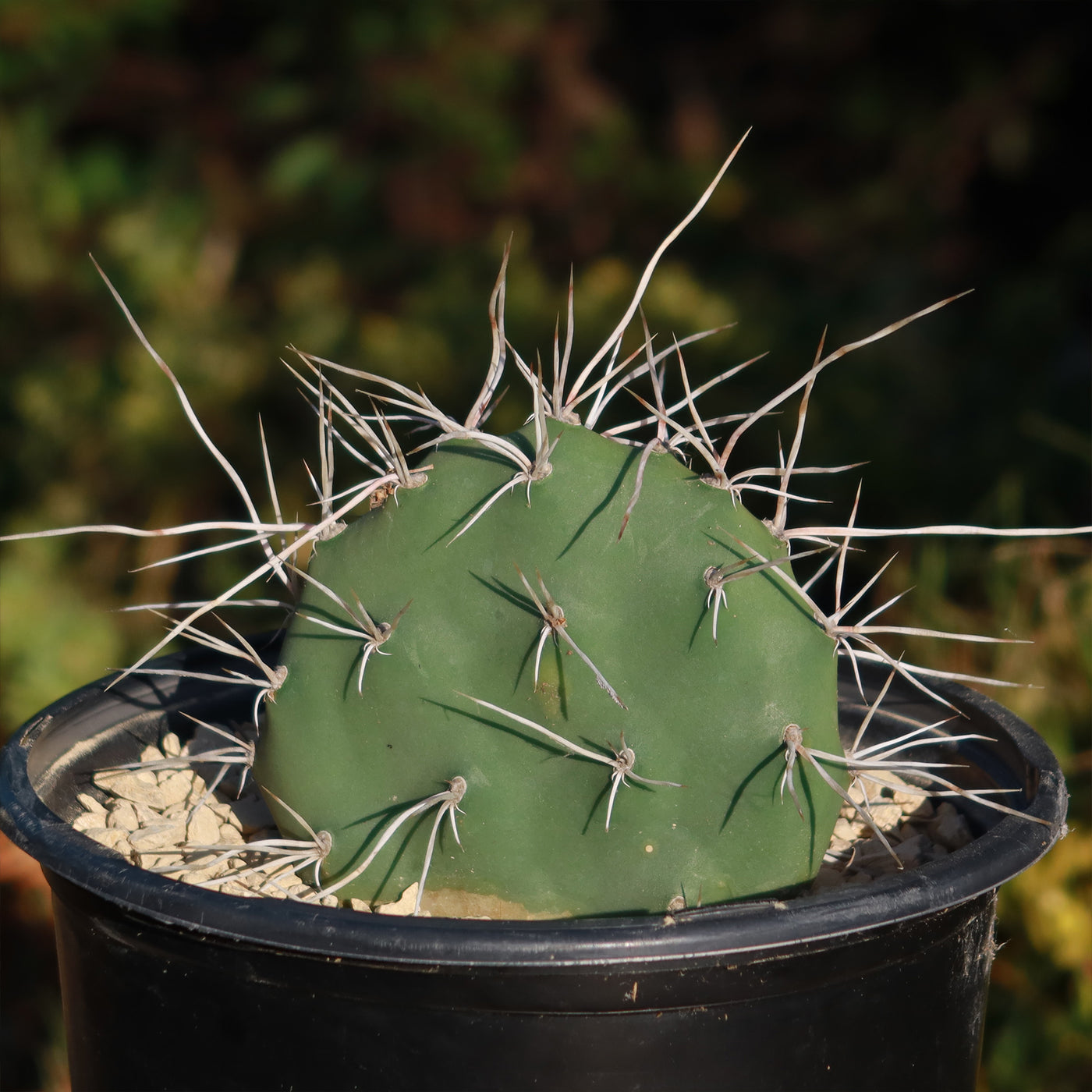
swanson prickly pear cactus opuntia Prickly Pear Cactus 'Opuntia sulphurea' - Fast DeliveryIntroducing the fabulous Prickly pear cactus, also known as 'Opuntia sulphurea,' a vibrant member of the Opuntia genus! But don't let its prickly exterior fool you these prickly pears varieties are surprisingly easy to care for and can even thrive in less than ideal conditions. Native to South America, this vibrant low growing shrub spreads out like an enthusiastic explorer. It has paddle shaped stems that are covered in spines and small, hair like
Introducing the fabulous Prickly pear cactus, also known as 'Opuntia sulphurea,' a vibrant member of the Opuntia genus! But don't let its prickly exterior fool you - these prickly pears varieties are surprisingly easy to care for and can even thrive in less-than-ideal conditions.
Native to South America, this vibrant low-growing shrub spreads out like an enthusiastic explorer. It has paddle-shaped stems that are covered in spines and small, hair-like structures called glochids. The stems are typically blue-green in color and can grow up to 12 inches long and stretch their arms up to an astounding 6.6 feet in diameter. Its joints are thick, oblong to obovate in shape, with a smooth glabrous texture that's simply irresistible. Sometimes they flaunt a stunning shade of purplish hues but usually stick with their trusty green attire. But wait, there's more!
Brace yourself for the spines that are dense, stiff, and initially whitish but evolve into hues ranging from yellowish all the way to brownish or ravishing red as they mature. It produces bright yellow prickly pear flowers in the spring and summer.
This Opuntia produces edible fruit in the fall, and it is commonly used in Mexican cuisine and can be eaten raw or cooked. In addition to its culinary uses, the prickly pear cactus has a number of medicinal benefits and is used in traditional medicine to treat a variety of ailments.
The Opuntia sulphurea is a popular cactus for gardeners because of its unique appearance and low maintenance requirements.
Watering Needs
Many cacti, like the prickly pear cactus, thrive when cared for properly by using the "soak and dry" technique. Allowing the soil to completely dry out in between waterings is crucial because overwatering can lead to the roots rot. During the summer months, you should water your cactus once in 2-3 weeks, and during the winter months, you can reduce watering to once a month.
It's also important to note that the Opuntia sulphurea is a drought-tolerant plant, meaning it can survive extended periods of time without water. In fact, overwatering is one of the most common causes of death for this prickly cactus. When watering your prickly pear, it's best to use a watering can or a hose with a soft spray nozzle to avoid damaging the stems or flowers. Remember, it's a good idea to avoid getting water on the stem of the cactus, as this can cause damage or discoloration.
Light Requirements
The prickly pear Opuntia sulphurea prefers bright, direct sunlight, and it's important to place it in a location where it can receive at least six hours of sunlight per day. If you're growing your opuntia cactus indoors, it's a good idea to place it near a sunny window or under a grow light.
It's also important to note that this prickly pear can tolerate some shade, but it won't thrive in low-light conditions. If you notice that your cactus is growing tall and leggy, it may be a sign that it's not getting enough sunlight. In this case, you should move it to a sunnier location or provide additional artificial light.
Additionally, it's important to protect your Opuntia sulphurea from extreme heat or cold. If you live in an area with hot, dry summers, you should provide some shade for your cactus during the hottest part of the day.
Optimal Soil & Fertilizer Needs
The prickly pear cactus prefers well-drained soil, so it's important to use a cactus mix that contains sand or perlite to help with drainage. You can also add some gravel or pebbles to the bottom of the pot to help with drainage. Here at Planet Desert, we have a specialty-formulated cacti potting mix that contains 5 natural substrates and organic mycorrhizae to promote the development of a strong root system that helps your cactus to thrive.
As for fertilizer, it's best to use a low-nitrogen fertilizer specifically designed for cacti. You should fertilize your Opuntia cactus once a year during the growing season (spring). It's important not to over-fertilize your cactus, as this can cause damage to the roots or even kill the prickly pear plant.
Hardiness Zone & More
Typically grown in hot, arid desert regions, the opuntia cactus thrives indoors in warm, dry surroundings. If you live in USDA regions 9 to 11, you can also grow these cacti outdoors year-round, but they are not cold- or frost-tolerant, so you should plant them indoors or put them in a pot and move them indoors during the winter if you live outside of these regions. Keep your prickly pear away from cold, drafty windows and air vents if you are growing it indoors in a cold climate.
In terms of humidity, the prickly pear cactus is a drought-tolerant plant and can tolerate dry conditions. However, it's important to avoid exposing your cactus to extreme humidity or moisture, as this can cause damage or disease.
We think you will love this plant – order your very own Opuntia sulphurea - Prickly pear cactus today and start enjoying its beauty in no time!
Shipping Notes
- Free Standard Shipping on $100+ Orders to the USA.
- Except Preorder products are shipped in 48 hours.
- Delivery to the USA:
- Standard Shipping : 3-10 business days
- If time is of the essence, please consider selecting expedited delivery for faster service.
Exchange/Return Notes
- We offer a 30-day return/exchange service after receiving.
- Final sale items are not eligible for returns or exchanges.
- To process your return/exchange, please contact us at [email protected]
- Please click here for more details>>> Return & Exchange Policy