Pay in installments of $7.24 with
 ,
,
 and
and

Shipping Estimate
USA
- USA
- CAN
- USA
- CAN
Ships within 48 hours · Estimated delivery Jul 1 - Jul 6
 Promo Codes Available:
For Your Every Summer RSVP, with Code: SUMMER15
Description
pink butterfly succulent propagation Pink Mother of Thousands PlantIntroducing the Kalanchoe Pink Butterflies, known as Pink Mother of Thousands due to its ability to produce numerous plantlets along the leaf edges, resembling miniature replicas of the mother plant. This plant belongs to the Kalanchoe, opens in a new tab genus and is recognized for its charming pink and green foliage, resembling fluttering butterflies, hence the name Pink Butterflies. Native to Madagascar, this plant thrives in warm climates and is
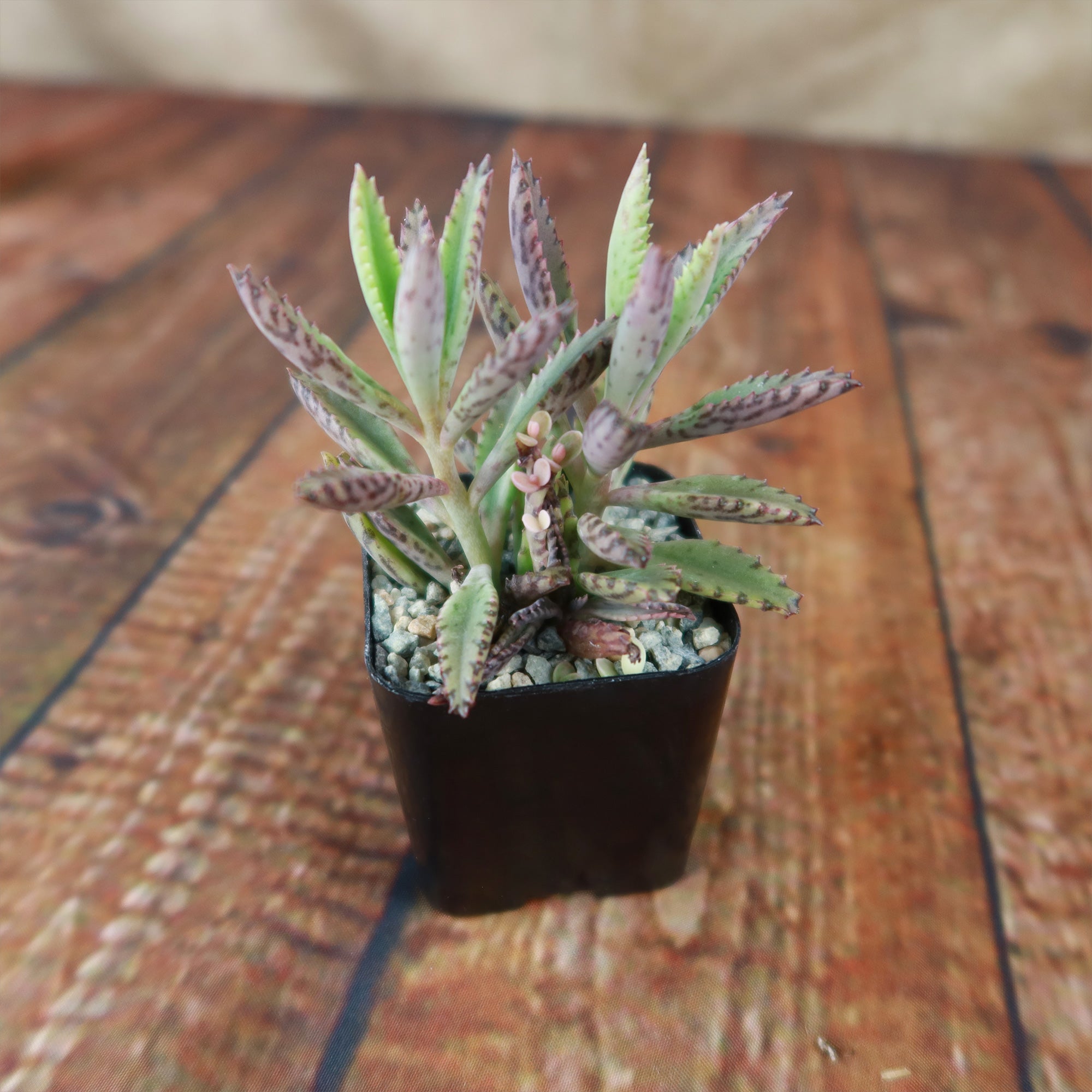
Introducing the Kalanchoe Pink Butterflies, known as Pink Mother of Thousands due to its ability to produce numerous plantlets along the leaf edges, resembling miniature replicas of the mother plant. This plant belongs to the Kalanchoe, opens in a new tab genus and is recognized for its charming pink and green foliage, resembling fluttering butterflies, hence the name Pink Butterflies.
Native to Madagascar, this plant thrives in warm climates and is cherished by plant enthusiasts for its ornamental value and low maintenance requirements. This variegated cross between Mother of Millions, opens in a new tab and Mother of Thousands, opens in a new tab grows tall stems and long, thin leaves.
The leaves develop new pink plantlets or leaflets that resemble butterflies. The bulbils are pink because they lack chlorophyll, but with sufficient light, they can propagate and grow into new, rooted plants.
However, it is important to note that the tiny plantlets no longer have the ability to root. Although a few may root, the majority do not.
The pink color of these pink leaflets is due to a lack of chlorophyll. Without chlorophyll, variegated plants will die.
The Kalanchoe Pink Butterflies typically can grow up to 3 feet tall and spread out to form a rosette of striking pink and green leaves. The leaves are scalloped, with variegated sport, creating a delightful contrast that adds a pop of color to any indoor or outdoor space. This plant's compact size makes it ideal for tabletops, shelves, or as part of a succulent arrangement.
The flowers of Kalanchoe Pink Butterflies typically bloom in late winter to early spring, with clusters of small, bell-shaped pink flowers that emerge from tall stalks above the foliage. The vibrant pink blooms complement the plant's colorful leaves, creating a beautiful display that attracts pollinators and adds a touch of elegance to its surroundings.
Propagation of the Kalanchoe Pink Butterflies is relatively straightforward and can be done through leaf cuttings or stem cuttings. The plantlets that grow along the edges of the leaves can be carefully removed and planted in a well-draining soil mix to establish new plants. Additionally, leaf cuttings can be taken from the mother plant, allowed to callus, and then placed in soil to root and grow into a new pink butterfly kalanchoe.
Watering Needs
Like other succulents, opens in a new tab, the Pink Mother of Thousands needs moderate watering to thrive and flourish. When watering your Kalanchoe Pink Butterflies, allow the soil to dry out partially between waterings to prevent overwatering. It's essential to water deeply but ensure excess water can drain away to avoid water accumulation at the roots. Make sure the container has adequate drainage holes.
In the spring and summer, during the growing season, water your Pink Mother of Thousands more frequently as the plant actively grows. However, in the winter months or during dormancy, reduce watering to prevent waterlogged soil.
Remember, observing the plant's leaves can also be helpful; if they start to appear wilted or wrinkled, it may be a sign that the plant needs water. Always adjust your watering frequency based on the plant's specific needs and environmental conditions to maintain a healthy and thriving Kalanchoe Pink Butterflies plant.
Light Requirements
When growing your Kalanchoe pink butterfly indoors, place it in a location where it can receive bright, indirect sunlight. A south or west-facing window is ideal for providing the plant with the necessary bright sunlight it needs to thrive. If direct sunlight is too intense, consider filtering it through a sheer curtain to prevent leaf burn while still allowing enough light for the Pink Mother of Thousands.
For outdoor cultivation, ensure it receives full sun to partial shade for at least 4-6 hours a day. In warmer regions, providing some afternoon shade can help protect the plant from scorching sun exposure. Outdoor locations with morning sunlight and dappled shade in the afternoon can be beneficial for the plant's growth and overall health. Monitor the plant's response to its outdoor location; if it shows signs of sunburn or stress, consider adjusting its placement to a spot with slightly less direct sunlight.
By understanding and meeting the light requirements of the Pink Mother of Thousands, you can promote healthy growth and vibrant foliage in both indoor and outdoor settings.
Optimal Soil & Fertilizer Needs
The Kalanchoe pink butterflies favor very airy, sandy soil that drains well. Planting them in ordinary soil will result in compacted roots, stunted growth, and most likely root rot. Instead, make or buy a well-draining potting succulent soil, or ideally use our specialized succulent potting mix, opens in a new tab that contains 5 natural substrates and mycorrhizae to promote the development of a strong root system that helps your Kalanchoe succulent to thrive.
In terms of fertilizer, the Pink Mother of Thousands benefits from a balanced (5-10-5), water-soluble NPK fertilizer formulated for succulents. During the growing season in spring, you can fertilize your Kalanchoe Pink Butterflies once a year to support their growth and flowering.
However, reduce or stop fertilizing during the plant's dormant period in fall and winter. Always dilute the fertilizer to half or quarter strength to avoid over-fertilizing, which can harm the plant. By providing the right soil mix and fertilizing regimen, you can help your Kalanchoe Pink Butterflies thrive and display their vibrant colors and healthy growth.
Hardiness Zones & More
When growing indoors, this Pink Mother of Thousands plant prefers temperatures between 60-75°F. It thrives in average room temperatures and can tolerate slight fluctuations but avoid placing it in drafty areas or near heating or cooling vents that may cause temperature extremes.
For outdoor cultivation, the Pink Mother of Thousands is typically suitable for USDA hardiness zones 9-11. These zones encompass regions with milder freezing temperatures, where the plant can survive and thrive outdoors year-round. In terms of temperature, this plant prefers a warm climate and is sensitive to frost. Ensure the outdoor temperature stays above 50°F to prevent damage to the Kalanchoe Pink Butterflies.
Regarding humidity, the Pink Mother of Thousands is adaptable to average indoor humidity levels. However, it appreciates slightly higher humidity levels, especially during the growing season. If you live in a dry climate or your indoor space is particularly dry, consider increasing humidity around the plant by misting its leaves or using a humidifier.
By providing the right temperature range and managing humidity levels, you can create an environment where the Kalanchoe Pink Butterflies can thrive and display their unique beauty both indoors and outdoors.
Final Thoughts
Overall, the Pink Mother of Thousands (Kalanchoe Pink Butterflies) is a delightful succulent plant that enchants with its pink and green foliage resembling fluttering butterflies. Whenever one of the butterflies falls off, it has the potential to develop roots and become its own plant.
With its easy propagation, charming flowers, and compact size, this plant is a wonderful addition to any plant collection, bringing beauty and elegance to indoor and outdoor spaces. Its low-maintenance nature and ornamental value make it a popular choice for plant enthusiasts looking to add a touch of color and uniqueness to their surroundings.
Shipping Notes
- Free Standard Shipping on $100+ Orders to the USA.
- Except Preorder products are shipped in 48 hours.
- Delivery to the USA:
- Standard Shipping : 3-10 business days
- If time is of the essence, please consider selecting expedited delivery for faster service.
Exchange/Return Notes
- We offer a 30-day return/exchange service after receiving.
- Final sale items are not eligible for returns or exchanges.
- To process your return/exchange, please contact us at [email protected]
- Please click here for more details>>> Return & Exchange Policy