Pay in installments of $5.07 with
 ,
,
 and
and

Shipping Estimate
USA
- USA
- CAN
- USA
- CAN
Ships within 48 hours · Estimated delivery Jul 3 - Jul 8
 Promo Codes Available:
For Your Every Summer RSVP, with Code: SUMMER15
Description
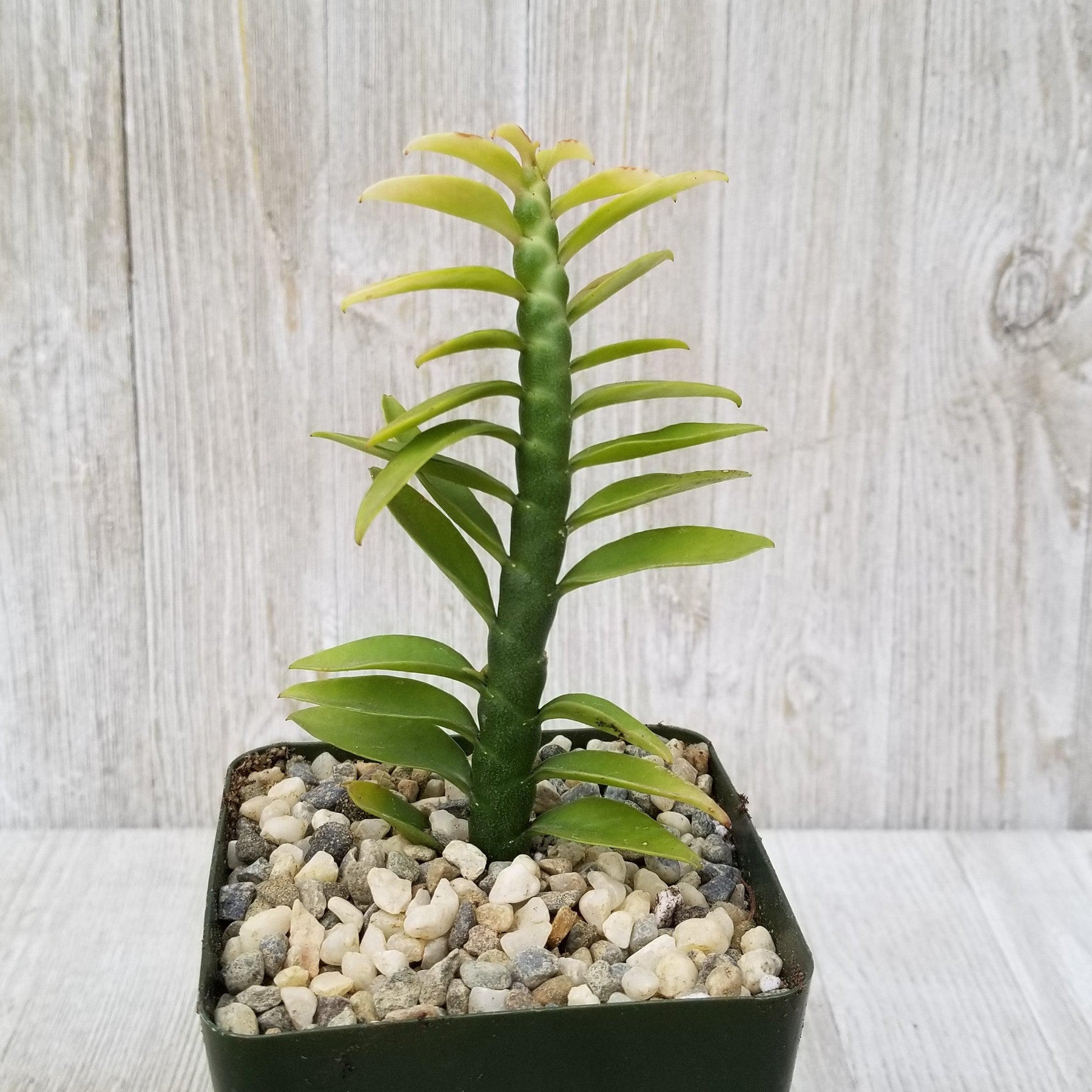
is devils backbone an indoor plant Shop 'Devils Backbone Plant - Euphorbia tithymaloides' Care & InfoIntroducing the devil's backbone plant, known as Euphorbia tithymaloides (formerly called Pedilanthus tithymaloides), which is a popular succulent that is known for its crooked growth pattern on upright stems. Native to the tropical regions of Central America and the Caribbean, with its distinctive zigzag pattern along the stems, it's hard to miss this intriguing plant. Apart from Devil's Backbone, this Euphorbia tithymaloides has a lot of other
Introducing the devil's backbone plant, known as Euphorbia tithymaloides (formerly called Pedilanthus tithymaloides), which is a popular succulent that is known for its crooked growth pattern on upright stems. Native to the tropical regions of Central America and the Caribbean, with its distinctive zigzag pattern along the stems, it's hard to miss this intriguing plant.
Apart from Devil's Backbone, this Euphorbia tithymaloides has a lot of other common names used by gardners, such as: Redbird Cactus, Jacob's Ladder plant, Zig zag Plant, Red Slipper Spurge, Buck Thorn, Christmas Candle, Cimora Misha, Fiddle Flower, Ipecacuahana, Japanese Poinsettia, Jewbush, Milk Hedge, Jew's Slipper, Myrtle-leaved Spurge, Padus-leaved Clipper Plant, Redbird Flower, Slipper Flower, Slipper Plant, and Timora Misha. These names reflect its characteristic zigzag growth pattern and the vibrant red coloration of its stems.
The Devil's Backbone plant has thick, fleshy bony ridge stems that grow in a zigzag manner with floral leaves, resembling the backbone of a mythical creature.
The stems are typically green, but they turn reddish-pink or maroon when exposed to bright light. The leaves are small and inconspicuous, often falling off as your devil's backbone plant matures.
With numerous branches growing from the base, the devil's backbone plant can grow up to 8 feet tall.
The Devil's Backbone plant flowers are typically red or burgundy in color and this plant generally flowers in the mid-spring. The plant has both true flowers and red leaf bracts, which some gardeners refer to as slipper flowers due to their shoe-shaped appearance.
When and How to Water Your Devils Backbone Plant
Like other succulents, the Devil's Backbone plant stores water in its leaves and stems. Devil's backbone can withstand dry conditions quite well, so even if you forget to water it occasionally or are unable to do so because of travel or another busy schedule, it will still thrive.
It's best to let the soil dry out between waterings. This Euphorbia tithymaloides devil backbone plant prefers well-draining soil, so make sure the pot has drainage holes. When you do water it, give it a good soak until the water drains out of the bottom. Allow the soil to completely dry out before watering again.
In the spring and summer, during the growing season, you can water the Devil's Backbone plant once every two to three weeks. In the winter months, when the plant is in its dormant phase, you can reduce watering to once a month or even less, depending on the conditions.
Remember, it's always a good idea to check the moisture level of the soil before watering. Stick your finger about an inch into the soil; if it feels dry, it's time to water. Just be careful not to overwater it, as that can lead to root rot.
Light Requirements - Where to Place Your Devils Backbone Plant
When growing the devil’s backbone plant indoors, it thrives in bright, indirect light. Place it near a window where it will receive bright, filtered sunlight throughout the day. Avoid placing your devil's backbone potted plant in direct sunlight, as the intense rays can scorch its leaves. If you notice that your Euphorbia tithymaloides devils’ backbone plant leaning towards the light source, rotate it periodically to ensure even growth.
If grown outdoors, it prefers partial shade to full sun. Find a spot in your garden or patio that receives 4-6 hours of direct sunlight in the morning or late afternoon, while offering some shade during the hottest part of the day. This will help prevent leaf burn and maintain the devil's backbone plant's vibrant appearance.
The devil's backbone plant is known for its adaptability to different light conditions. It can tolerate lower light levels, but this may result in slower growth and less vibrant foliage. On the other hand, too much direct sunlight can cause leaf discoloration or sunburn. Striking a balance between light and shade will help your devil backbone plant thrive and maintain its unique appearance.
Remember, every plant is unique, and it's important to observe how your Euphorbia tithymaloides respond to its specific light conditions. If it's growing well and maintaining its characteristic zigzag stems and vibrant leaves, then you've found the right balance!
Optimal Soil & fertilizer Needs
When it comes to soil, your Euphorbia tithymaloide plant prefers well-drained nutrient-rich soil. A combination of regular potting soil and perlite or sand can work well. The goal is to provide good drainage so that the roots don't sit in water, which can lead to root rot. Make sure the pot has drainage holes to allow excess water to drain. Instead, make or buy a well-draining potting mix, or ideally use our specialized succulent potting mix that contains 5 natural substrates and mycorrhizae to promote the development of a strong root system that helps your devil backbone succulent to thrive.
As for fertilizer, the Devil's Backbone plant doesn't require frequent feeding. You can use a balanced (5-10-5), water-soluble NPK fertilizer diluted to half-strength. During the growing season, which is typically spring, you can fertilize your devil’s backbone plant once a year. In the winter months, when it is in its dormant phase, you can skip fertilizing altogether.
It's important not to over-fertilize your plant, as it can be sensitive to excessive nutrients. If you notice any signs of fertilizer burn, such as brown or crispy leaf tips, reduce the frequency or strength of the fertilizer. Always follow the instructions and err on the side of caution.
Remember, it's always a good idea to observe your devil's backbone plant Euphorbia tithymaloide, and adjust accordingly. If it's growing well and maintaining its vibrant appearance, then you're on the right track!
Hardiness Zone & More
The Devil's Backbone plant is native to tropical regions, so it prefers warm temperatures and high humidity. If growing indoors, it thrives in average room temperatures between 65°F to 75°F. Keep your Euphorbias away from drafts and extreme temperature fluctuations. As for humidity, it appreciates higher levels, so you can mist the leaves occasionally or place a tray of water near the devil's backbone plant to increase humidity.
If grown outdoors, these devil's backbone plant is hardy in USDA zones 10-11. It prefers a warm and tropical climate, with temperatures ranging from 50°F to 85°F. However, it's important to protect it from frost or freezing temperatures, as it is not frost-tolerant. It can tolerate temperatures outside of its ideal range, but extreme heat or cold may negatively affect its growth. Additionally, your devil's backbone plant can adapt to lower humidity levels, but it may benefit from occasional misting or placement in a more humid environment.
Remember to monitor the temperature and humidity levels around your Euphorbia tithymaloide Devil's Backbone plant, both indoors and outdoors, to ensure it remains happy and healthy.
Devils Backbone Plant Propagation
Euphorbia tithymaloidesn can be propagated through stem cuttings. To propagate this plant, simply cut a healthy stem from the mother plant and allow it to callous over for a few days before planting it in well-draining soil. Keep the soil consistently moist but not waterlogged, and place the cutting in a warm, bright location to encourage root growth. With proper care, the cutting should develop roots within a few weeks and can be transferred to a larger pot once established.
Key Takeaways
- The Devil's Backbone plant (Euphorbia tithymaloides) is a popular choice among plant enthusiasts, with its unique zigzag-shaped stems (hence the name zigzag plant) and vibrant green leaves, that make it a visually striking addition to any indoor or outdoor space..
- One of the great things about this plant is that it's relatively low maintenance, making it perfect for both beginner and experienced plant owners.
- The Euphorbia tithymaloides thrives in bright, indirect light and prefers well-draining soil.
- With a moderate watering routine and occasional pruning to maintain its shape, it can bring a touch of exotic beauty to your home or garden.
- So, if you're looking for an eye-catching plant that's easy to care for, the Devil's Backbone plant is definitely worth considering!
Shipping Notes
- Free Standard Shipping on $100+ Orders to the USA.
- Except Preorder products are shipped in 48 hours.
- Delivery to the USA:
- Standard Shipping : 3-10 business days
- If time is of the essence, please consider selecting expedited delivery for faster service.
Exchange/Return Notes
- We offer a 30-day return/exchange service after receiving.
- Final sale items are not eligible for returns or exchanges.
- To process your return/exchange, please contact us at [email protected]
- Please click here for more details>>> Return & Exchange Policy