Pay in installments of $5.31 with
 ,
,
 and
and

Shipping Estimate
USA
- USA
- CAN
- USA
- CAN
Ships within 48 hours · Estimated delivery Jul 1 - Jul 6
 Promo Codes Available:
For Your Every Summer RSVP, with Code: SUMMER15
Description
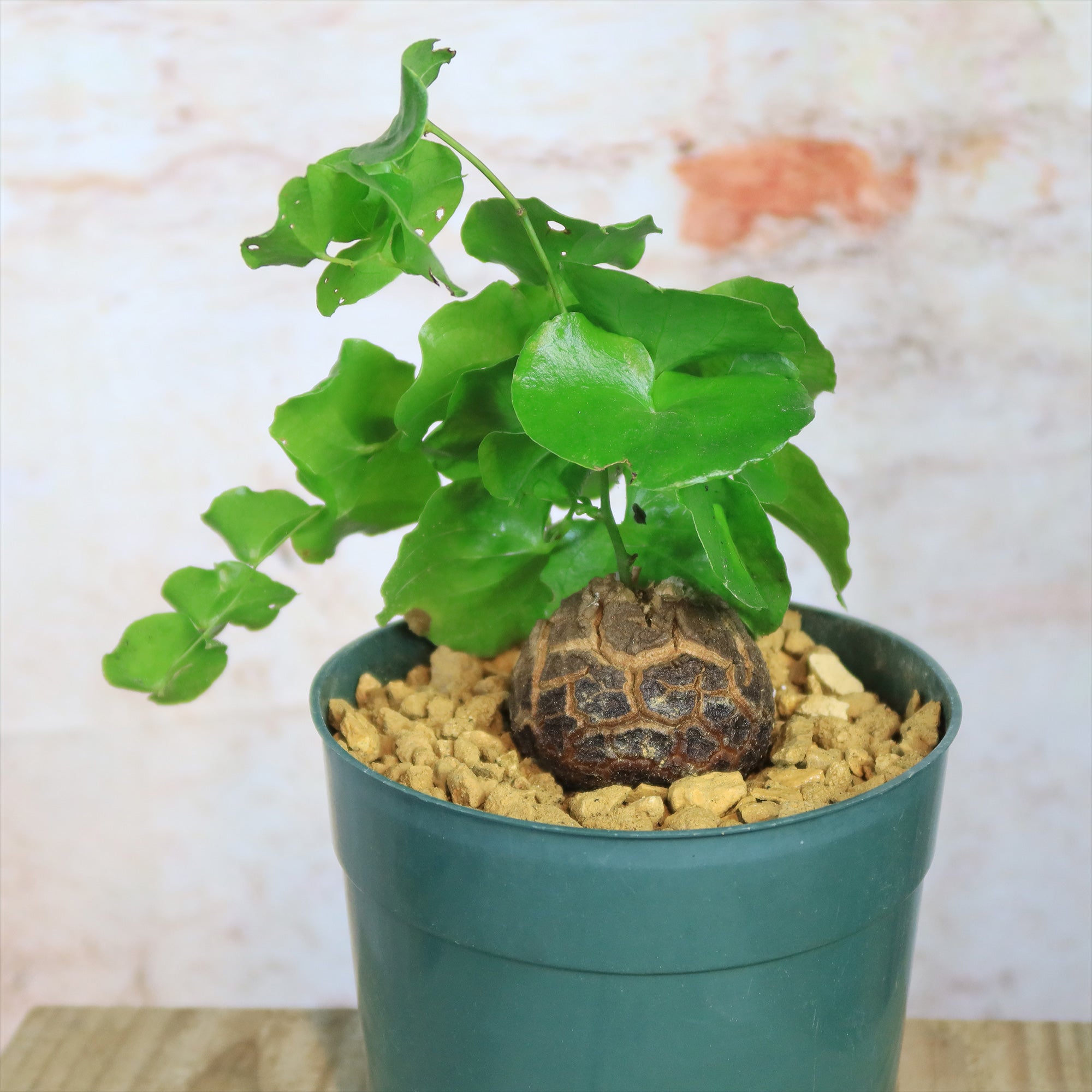
elephant foot plant seeds Elephant’s Foot SucculentIntroducing the stunning elephant's foot succulent, also known as Dioscorea elephantipes a succulent plant that belongs to the Dioscoreaceae family. It earned its common name, elephants foot plant, because of its tuberous caudex, which resembles an elephant's foot during its growth period. The caudex is the swollen underground stem that stores water and nutrients for your Elephant's foot succulent. The Dioscorea elephantipes have several other common
Introducing the stunning elephant's foot succulent, also known as Dioscorea elephantipes a succulent plant that belongs to the Dioscoreaceae family. It earned its common name, elephant’s foot plant, because of its tuberous caudex, which resembles an elephant's foot during its growth period. The caudex is the swollen underground stem that stores water and nutrients for your Elephant's foot succulent.
The Dioscorea elephantipes have several other common names, such as Hottentot bread, Tortoise back plant, and Turtle back plant. Native to the arid regions of South Africa and Namibia, this beautiful plant has thick, fleshy stems and heart-shaped leaves covered in a waxy cuticle, which helps reduce water loss and protect it from extreme temperatures.
The Elephant Foot plant is a slow-growing species that can grow up to 10 feet tall and 3 feet wide.
Over time it develops a thick caudex that resembles an elephant's foot or small tree trunk and has a rough and textured surface.
As the Dioscorea elephantipes elephant’s foot plant matures, it produces tendrils that can climb and attach to nearby structures for support.
The Dioscorea elephantipes is summer-deciduous, dropping its leaves during the summer, with stems typically dying back and new shoots emerging in winter.
The flowers of Dioscorea elephantipes are greenish-yellow and bloom in late fall and early winter. This elephant foot plant is dioecious, with male and female flowers in separate plants. The pale greenish-yellow flowers appear in winter, with male flowers in erect racemes and female flowers in spinescent spikes. They grow on long, slender stalks that emerge from the Dioscorea elephantipes caudex, adding a touch of charm to this already fascinating plant.
With its unique appearance and adaptability, the Elephant Foot succulent is a captivating addition to any succulent collection. Its distinctive caudex and climbing tendrils make it a real eye-catcher. Ensure proper conditions and care for this stunning plant, which can live for over 70 years and is a prized addition to collections for its architectural beauty.
When and How to Water Your Dioscorea Elephantipes
When it comes to watering this unique Elephant's foot succulent, it's important to strike the right balance. Dioscorea elephantipes is adapted to arid conditions, so it prefers infrequent but thorough waterings. Overwatering can cause root rot and other problems, so it's critical to let the soil dry between waterings.
During the growing season, which is typically winter and spring, you can water your Elephant Foot plant when the top inch of soil feels dry to the touch. When you do water, make sure to provide a deep soak, allowing the water to penetrate the soil and reach the roots. Allow the excess water to drain completely.
In the dormant season, which is usually in late summer, you'll want to reduce watering significantly. The succulent Elephant's foot goes through a period of rest, and its water requirements decrease. During this time, you can water separate plants sparingly, only when the soil has completely dried out.
Remember, it's always better to underwater than overwater to your Dioscorea elephantipes. This succulent plant is adapted to survive in dry conditions and can tolerate short periods of drought. By following these watering guidelines, you'll help ensure the health and longevity of your Elephant Foot plant.
Light Requirements - Where to Place Your Elephant's Foot Succulent
When it comes to indoor lighting, the Elephant Foot succulent does best in bright, indirect light. It thrives in a spot near a window where it can receive plenty of bright, filtered sunlight. Avoid placing it in direct sunlight, as this can cause the leaves to scorch.
If you're growing Dioscorea elephantipes outdoors, it prefers a sunny location with partial shade to full sun for at least 4-6 hours a day.
It can handle direct sunlight, but it's important to acclimate your elephant foot plant gradually to prevent sunburn. Start by placing it in a partially shaded area and gradually increase the exposure to sunlight over time.
Keep in mind that the light requirements may vary depending on your specific climate and the intensity of sunlight in your region. Observing your Dioscorea elephantipe's response to light is key.
If the leaves start to turn yellow or develop brown spots, it may be an indication that it's receiving too much direct light. On the other hand, if the leaves become elongated and pale, it may be a sign of insufficient light.
Remember to rotate your Elephant Foot succulent occasionally to ensure even growth and prevent it from leaning toward the light source.
Optimal Soil & Fertilizer Needs
The elephant's foot plant likes very airy, porous, nutrient-rich soil with a pH of 5.6- 6.5. Cacti require fast-draining soil that dries completely between waterings. Your soil must have a sandy texture and a low water-holding capacity, just like desert soil. Soggy, wet soil can damage your cactus and contribute to bacterial and fungal rot. In addition, because of a lack of oxygen, soggy soil substitutes air pockets with water, resulting in an anaerobic environment that can kill your plant.
As an alternative, you can create your own potting mix by combining equal portions of perlite, coarse sand, and good natural potting soil. Ideally, you want to use our specialized succulent potting mixGo to soil cactus mix blend 1 gal 4 qt cacti succulent dirt compost growing media that contains 5 natural substrates and organic mycorrhizae to promote the development of a strong root system that helps your Elephant's foot succulent to thrive.
For fertilizer, Dioscorea elephantipes don't require frequent feeding. During the growing season, you can use a balanced (5-10-5), water-soluble fertilizer diluted to half the recommended strength. Apply the fertilizer once a year to provide the necessary nutrients. However, it's important not to over-fertilize, as this can cause excessive growth and weak stems.
During the dormant season, you can reduce or completely stop fertilizing. The elephant foot succulent goes through a period of rest, and its nutrient requirements decrease. Remember, it's always better to err on the side of caution and under-fertilize rather than over-fertilize. This will help maintain the succulent natural growth habits and prevent any potential issues.
Hardiness Zone & More
When it comes to indoor temperature, the Elephant Foot plant prefers a warm environment. Ideally, keep the temperature between 65°F and 75°F during the day and slightly cooler at night. It's important to avoid exposing the plant to extreme temperature fluctuations, as it can be sensitive to sudden changes. Make sure to keep it away from drafts and cold windows to prevent any damage.
If you are growing your Dioscorea elephantipes outdoors, it thrives in USDA zones 9 to 11. These zones generally have mild to warm climates with winter temperatures that rarely drop below freezing.
If you live in a colder region, it's best to grow this plant as a container specimen that can be brought indoors during the colder months.
In terms of humidity, Dioscorea elephantipes elephant foot succulent can tolerate a range of humidity levels. It can adapt to average indoor humidity, but it appreciates slightly higher humidity levels. If the air in your home is dry, you can increase humidity by placing a tray of water near the succulent plant or using a humidifier.
Remember, in extremely cold temperatures, it's important to protect your Elephant Foot plant. If you're growing it outdoors, consider covering it with a frost cloth or moving it to a sheltered location during freezing weather.
Wildlife - Dioscorea elephantipes Attracts the Following Friendly Pollinators
During its flowering season, this caudex plant produces small, fragrant flowers that attract a variety of friendly pollinators, such as bees, hummingbirds, and butterflies. Bees are particularly drawn to its blossoms, aiding in pollination. In regions where it grows outdoors, butterflies and hummingbirds may also visit the plant, lured by the nectar and subtle aroma of its flowers.
According to the ASPCA, the elephant’s foot is considered mildly toxic to humans and pets if consumed in a large amount. It is safe to handle, but it is important to wash your hands thoroughly after touching the plant to avoid any potential irritation or allergic reactions.
Propagating Elephant's Foot Plant
One common method of propagation for this elephant foot plant is through Dioscorea elephantipes elephants foot succulent by seeds. You can collect the seeds from the seed capsule of the mature fruits of the plant and sow them in a well-draining potting mix in flat seed pans. Keep the soil consistently moist but not waterlogged, and place the sowing medium in a warm location with indirect sunlight. With patience, the seeds should germinate and grow into new plants.
Another method is through stem cuttings. Pick a robust stem and carefully cut the stem right below a node. Give the wound several days to callus and dry. After that, plant the cutting, keeping the remaining portion of it exposed and putting the node in a container with well-draining soil. Give the soil some light moisture and indirect sunlight. With time, the cutting should develop roots and establish itself as a new growth.
Remember, propagation can take time and patience, so don't be discouraged if it doesn't happen overnight. Keep an eye on the moisture levels, provide the right amount of light, and soon you'll have new Dioscorea elephantipes plants to enjoy!
Key Takeaways
- The most striking feature of Dioscorea elephantipes is its large, woody caudex, which resembles an elephant's foot, giving the plant its common name, "Elephant's Foot."
- This plant is highly drought-tolerant, thanks to its caudex, which stores water during dry seasons. It thrives with minimal watering, making it a perfect choice for xeriscaping or low-maintenance gardening.
- Dioscorea elephantipes produces vining, deciduous foliage during its growing season, that can reach up to 3 feet.
- It is a winter-growing plant, entering dormancy in summer. Its caudex remains intact during dormancy, conserving energy for the next growth cycle.
- Mature elephant foot succulents can live for over 70 years, making them a prized addition to collections and admired for their architectural beauty.
The Bottom Line
Overall, the Dioscorea elephantipes (Elephant Foot plant) is a unique and exotic succulent plant with bulbous caudex and vining stems. It thrives in USDA hardiness zones 9 to 11, with a mild to warm climate. To care for it, maintain a warm indoor temperature between 65°F and 75°F, slightly cooler at night. To protect the plant from extremely cold temperatures, cover it with a frost cloth or move it to a sheltered location. By providing the right Dioscorea elephantipes care with adequate temperature, humidity, and protection, you can ensure the plant's well-being and longevity.
Shipping Notes
- Free Standard Shipping on $100+ Orders to the USA.
- Except Preorder products are shipped in 48 hours.
- Delivery to the USA:
- Standard Shipping : 3-10 business days
- If time is of the essence, please consider selecting expedited delivery for faster service.
Exchange/Return Notes
- We offer a 30-day return/exchange service after receiving.
- Final sale items are not eligible for returns or exchanges.
- To process your return/exchange, please contact us at [email protected]
- Please click here for more details>>> Return & Exchange Policy