Pay in installments of $6.39 with
 ,
,
 and
and

Shipping Estimate
USA
- USA
- CAN
- USA
- CAN
Ships within 48 hours · Estimated delivery Jun 28 - Jul 3
 Promo Codes Available:
For Your Every Summer RSVP, with Code: SUMMER15
Description
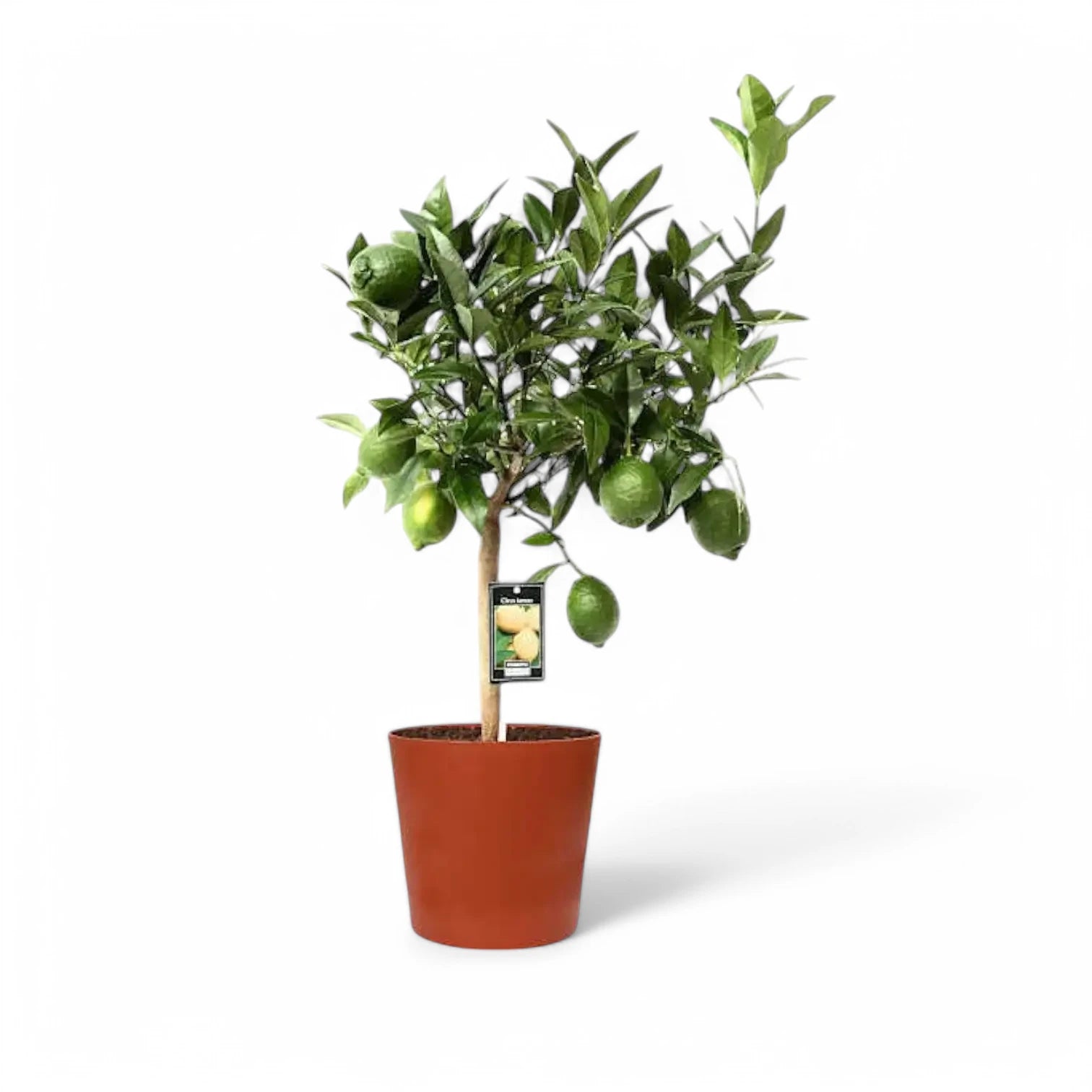
bergamot plant indoor Bergamot OrangeCitrus bergamia Bergamot Orange Citrus bergamia, the bergamot orange, is a fragrant cultivated citrus with glossy evergreen foliage, scented white flowers and rounded yellow to greenish yellow fruit. The rind is intensely aromatic and carries the clear bergamot scent associated with bergamot oil. In a container, bergamot orange grows as a woody shrub or small tree with a branching crown. It needs full sun in frost free months, a draining citrus
Citrus × bergamia – Bergamot Orange
Citrus × bergamia, the bergamot orange, is a fragrant cultivated citrus with glossy evergreen foliage, scented white flowers and rounded yellow to greenish-yellow fruit. The rind is intensely aromatic and carries the clear bergamot scent associated with bergamot oil.
In a container, bergamot orange grows as a woody shrub or small tree with a branching crown. It needs full sun in frost-free months, a draining citrus substrate, careful watering around the root zone and bright winter protection. A cool frost-free winter position around 5–12°C keeps growth slow while the plant rests through the low-light season.
Bergamot orange peel scent and evergreen habit
- Plant type: Fragrant cultivated citrus in the Rutaceae family.
- Leaves: Glossy evergreen leaves with aromatic citrus oils.
- Flowers: White scented citrus flowers from mature growth.
- Fruit: Rounded to slightly pear-shaped fruit with yellow to greenish-yellow rind and strong bergamot aroma.
- Wintering style: Movable citrus for bright warm-season growth and cool frost-free overwintering.
Bergamot orange rind, crown and cultivation
Bergamot orange belongs to the cultivated citrus group in Rutaceae and is traditionally known under the name Citrus × bergamia. The plant is strongly associated with Mediterranean cultivation, especially southern Italy, where bergamot fruit is valued for aromatic peel oil.
The crown carries leathery aromatic leaves and waxy white flowers. Fruit quality in a pot depends on strong light, warmth, nutrition and a long active season. The rind aroma becomes clearer as the fruit matures, and harvest is usually based on rind colour, fruit weight and peel scent.
Bergamot orange light and root care
- Light: Grow in full sun or the strongest available light. Strong light improves crown density, flowering and fruit development.
- Acclimation: After winter, move gradually into outdoor sun. Start with sheltered morning exposure, then increase light over 1–2 weeks.
- Water: Water thoroughly once the upper few centimetres of substrate have dried. During fruit swelling, keep moisture steady without leaving the pot waterlogged.
- Substrate: Use a well-aerated citrus mix with loam, coarse mineral particles and a modest organic fraction.
- Drainage: Keep the pot free-draining and empty outer pots after watering. Excess water around cool roots causes fast decline.
- Wintering: Protect before frost. A bright 5–12°C winter position keeps the plant cool, slow and easier to water correctly.
- Feeding: Feed from spring through late summer with citrus fertiliser containing nitrogen plus trace elements.
- Pruning: Prune lightly after flowering or harvest to maintain an open, balanced crown. Remove weak inner shoots and rootstock growth.
- Pollination: Hand-pollinate open flowers with a soft brush when pollinators are absent.
- Repotting: Repot every few years as roots fill the container. On larger plants, refresh the upper substrate annually.
Bergamot foliage, roots and rind cues
- Leaf yellowing: Check feeding, drainage and winter root temperature. Bergamot can show chlorosis when roots are stressed or trace elements run low.
- Sticky foliage: Inspect stems, petioles and leaf ribs for scale insects, aphids or mealybugs. Wipe away honeydew and treat early infestations.
- Flower drop: Review light, watering swings and dry heated air. Stable moisture and stronger light reduce bloom loss.
- Weak fruit development: Check plant maturity, nutrition and crop load. A small container plant may need fruit thinning.
- Winter shedding: Move the plant to brighter, cooler conditions and keep watering measured. Leaf loss often follows warm, low-light winter storage.
Bergamot peel oils and name
Citrus × bergamia carries essential oils and psoralens in peel, leaves and stems. Keep leaves, stems and fruit peel away from pets, and wash hands after handling damaged peel, sap or fresh cuts.
The genus name Citrus is historically associated with citron and aromatic wood. Citrus × bergamia (Risso) Risso & Poit. was published in 1819; bergamot remains the established horticultural and culinary name for the aromatic peel type.
Shipping Notes
- Free Standard Shipping on $100+ Orders to the USA.
- Except Preorder products are shipped in 48 hours.
- Delivery to the USA:
- Standard Shipping : 3-10 business days
- If time is of the essence, please consider selecting expedited delivery for faster service.
Exchange/Return Notes
- We offer a 30-day return/exchange service after receiving.
- Final sale items are not eligible for returns or exchanges.
- To process your return/exchange, please contact us at [email protected]
- Please click here for more details>>> Return & Exchange Policy