Pay in installments of $7.43 with
 ,
,
 and
and

Shipping Estimate
USA
- USA
- CAN
- USA
- CAN
Ships within 48 hours · Estimated delivery Jul 1 - Jul 6
 Promo Codes Available:
For Your Every Summer RSVP, with Code: SUMMER15
Description
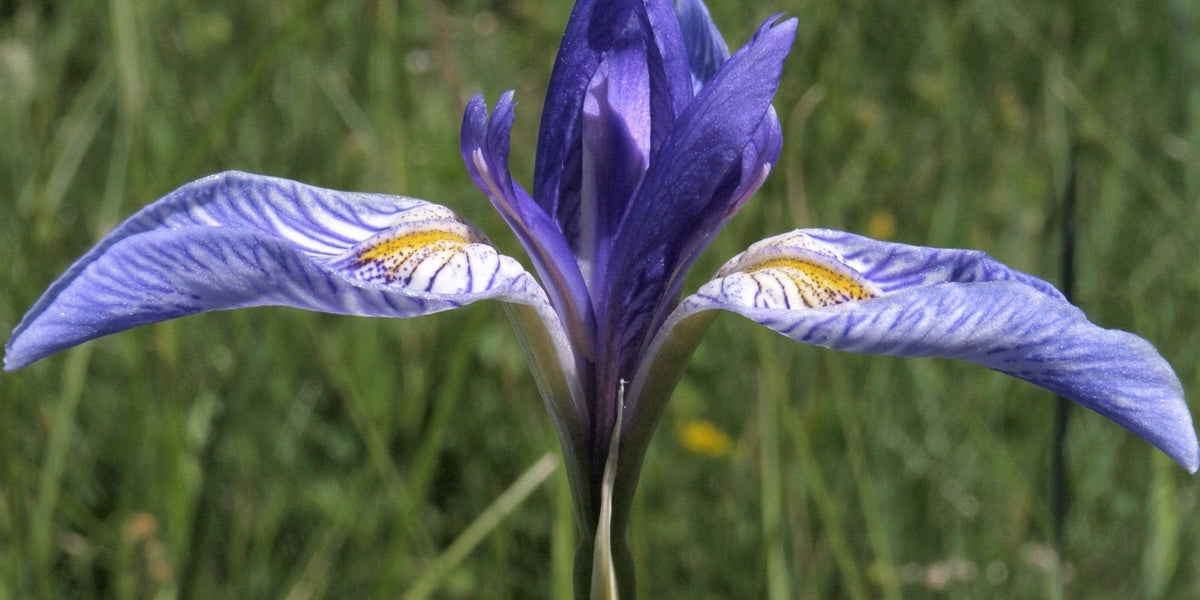
planting wild iris seeds Wild Blue Iris Seeds (Iris missouriensis)A hardy, tough, showy plant for poorly drained sites. Although this is the most common native iris in western North America, its mostly a species found on the eastern side of the Cascade Mountains. However small native populations occur in the Puget Sound region, and in Coast Range mountains in Oregon and California. (Alternative common names include Western Blue Flag Iris, and Rocky Mountain Iris despite its wider geographic distribution). Resembling
A hardy, tough, showy plant for poorly drained sites.
Although this is the most common native iris in western North America, it’s mostly a species found on the eastern side of the Cascade Mountains. However small native populations occur in the Puget Sound region, and in Coast Range mountains in Oregon and California. (Alternative common names include Western Blue Flag Iris, and Rocky Mountain Iris -- despite its wider geographic distribution).
Resembling a miniature version of common non-native garden irises, this showy 1-foot tallish plant is slow to establish, but extremely tough and long-lived once it matures. Western blue iris produces thick, tough rhizomes that can be divided to propagate more plants. It prefers soils that are wet in winter and spring, that dry out in summer. These preferences make it an excellent plant for drainage ditches, rain gardens, or growing alongside camas in wet meadows.
Don’t expect this plant to flower for several years. In fact, during its first few years, the slender foliage will just blend in with grasses (don’t accidentally pull it!). Once mature however, the blue flowers will attract the occasional wild bee or butterfly – we see bumble bees, Andrena mining bees, Colletes polyester bees, and various mason bees (Osmia spp.), as regular visitors, as well as big swallowtail and arctic skipper butterflies. As an added bonus, deer and rabbits mostly won’t eat this plant – nor will livestock, which makes it compatible with grazing (although expect it to increase if it is grazed, since livestock will be feeding on EVERYTHING but the iris).
Grows from alpine meadows to sea level, and is best started after cold stratification (or simple fall planting).
Approximately 250 seeds (2.5 grams).
Shipping Notes
- Free Standard Shipping on $100+ Orders to the USA.
- Except Preorder products are shipped in 48 hours.
- Delivery to the USA:
- Standard Shipping : 3-10 business days
- If time is of the essence, please consider selecting expedited delivery for faster service.
Exchange/Return Notes
- We offer a 30-day return/exchange service after receiving.
- Final sale items are not eligible for returns or exchanges.
- To process your return/exchange, please contact us at [email protected]
- Please click here for more details>>> Return & Exchange Policy